This content was created by the expert using AI-assisted tools for writing and imagery.
The Future of Storytelling: Trends Shaping Narrative Experiences in the Digital Age
Professional insights and actionable strategies for your success.
Table of Contents
9 sections
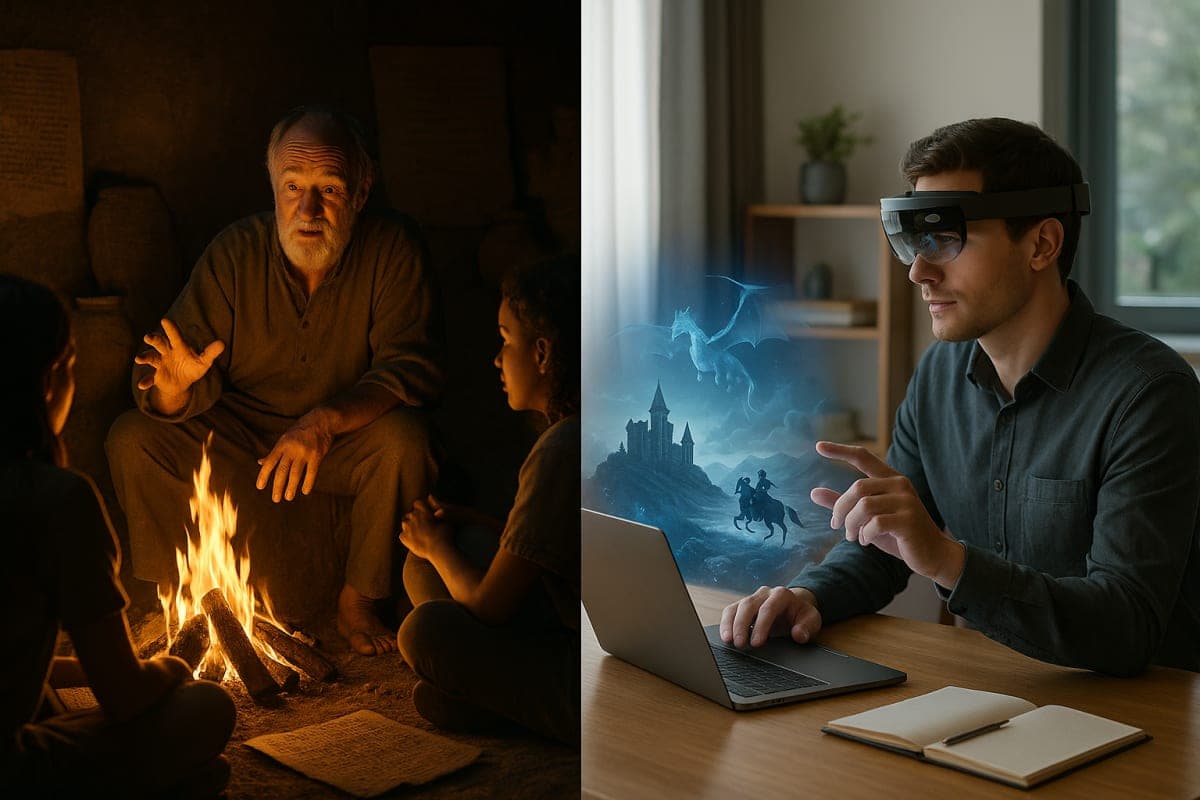
In an era where technology and creativity intertwine like never before, storytelling is experiencing a renaissance of unprecedented proportions. As our lives become increasingly digital, the way we craft and consume narratives is undergoing a profound transformation. Welcome to "The Future of Storytelling: Trends Shaping Narrative Experiences in the Digital Age", where we embark on a journey to explore how digital innovations are reshaping the age-old art of storytelling as we know it. In this exploration, you will discover the emerging trends influencing narrative experiences, from the rise of interactive and immersive media to the growing power of artificial intelligence in crafting bespoke stories. We will delve into how virtual and augmented realities are breaking the boundaries of traditional storytelling, creating experiences that are not only observed but lived. You will also learn about the dynamic role of social media platforms in democratising storytelling, giving voice to diverse narratives across the globe. As we navigate these trends, we'll consider what they mean for the future of creativity and connection, and how they might redefine our understanding of stories in the digital age. Join me, Julie Bennetts, as we uncover the transformative power of technology in the world of narrative art.
Introduction to the Evolution of Storytelling
> "The biggest mistake I see? Focusing on digital storytelling without understanding the fundamentals. Strategy always comes first."
>
> — Julie Bennetts, GEO Marketing, AI Search Visibility, Content Strategy
The Historical Context
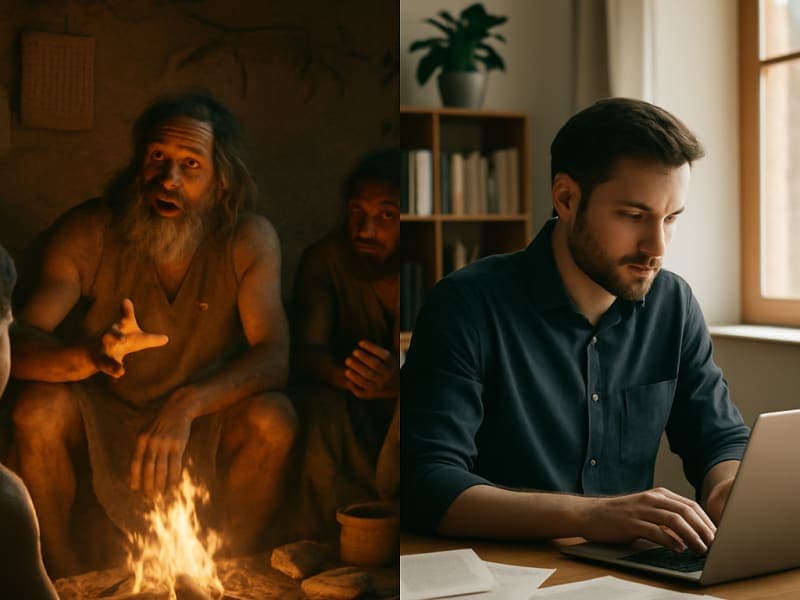
Storytelling has been a cornerstone of human culture since time immemorial, evolving from oral traditions to written word. In ancient civilisations, stories were passed down verbally, serving as both entertainment and a means of preserving history, morals, and cultural identity. For instance, the Epic of Gilgamesh, one of the earliest known works of literature, was initially shared through oral recitations before being inscribed on clay tablets. Storytelling gradually transitioned to written forms with the advent of alphabets and paper, allowing tales to reach broader audiences and endure through time. The printing press revolutionised this further, making literature accessible to the masses and paving the way for the diverse storytelling methods we see today.
The Transition to Digital
The digital age has ushered in a transformative era for storytelling. With the rise of the internet and digital media, stories are no longer confined to the physical realm. E-books, audiobooks, and online platforms have broadened the horizons of how narratives are consumed, offering interactive and multimedia experiences. Social media and blogging platforms allow for real-time storytelling and global reach, enabling authors to engage with readers directly. A notable example is the proliferation of web series and digital comics, which combine visual and textual storytelling in innovative ways. This digital evolution continues to redefine the boundaries of narrative art, making storytelling more dynamic and inclusive than ever before.

The Role of Technology in Modern Storytelling
Impact of Social Media
In today's digital age, social media platforms have revolutionised the way stories are shared and consumed. These platforms have transformed storytelling from a one-way dissemination of tales into a dynamic, interactive process. Authors can now connect directly with their audience, receiving instant feedback and engaging in meaningful dialogues. Social media allows stories to reach a global audience, breaking geographical barriers and enabling diverse narratives to flourish. For instance, authors can use Twitter to craft serialized stories through threads, captivating readers with concise, impactful narratives. Instagram, with its visual-centric approach, offers a unique avenue for storytellers to complement their words with striking imagery, thereby enhancing the emotional resonance of their tales. Moreover, platforms like TikTok have given rise to a new breed of storytellers who combine video, music, and text to deliver compelling micro-stories in a matter of seconds. Through these multifaceted platforms, storytelling has become a more inclusive, immediate, and collaborative experience.
The Rise of Interactive Narratives
The advent of technology has also ushered in the era of interactive narratives, providing audiences with an unprecedented level of engagement. Unlike traditional storytelling, where the narrative path is fixed, interactive stories allow readers to make decisions that influence the storyline's direction. This form of storytelling is prominently featured in video games, where players actively shape the narrative through their choices, providing a personalised experience that can vary dramatically from one player to another. An example of this is the game "Life is Strange," where players' decisions have significant consequences, leading to multiple possible endings. Interactive e-books and virtual reality experiences further enhance this engagement by immersing readers in richly detailed worlds where they can explore and interact with the environment. This evolution in storytelling not only captivates audiences but also empowers them to become co-creators in the narrative journey, blurring the lines between author and reader.

Immersive Experiences: Virtual and Augmented Reality
Virtual Reality Storytelling
In the realm of immersive experiences, virtual reality (VR) storytelling has emerged as a transformative tool, offering audiences an unparalleled sense of presence and engagement. Unlike traditional media, VR allows users to be part of the narrative, providing a 360-degree view that envelops them in the story's environment. This technology has found applications in various fields, from education to entertainment. For instance, the VR experience "Clouds Over Sidra", produced by the United Nations, transports viewers to a Syrian refugee camp, providing an intimate glimpse into the lives of its residents. By placing the audience at the heart of the story, VR not only conveys the narrative but also evokes empathy, making it a powerful medium for storytelling.
Augmented Reality Enhancements
Augmented reality (AR), on the other hand, enhances the real world by overlaying digital information onto our physical environment. This technology has gained significant traction, particularly in retail and gaming. A prime example is IKEA's AR app, which allows customers to visualise how furniture will look and fit in their homes before making a purchase. By bridging the gap between the digital and physical worlds, AR offers practical solutions that enhance consumer experiences. Additionally, AR has revolutionised the gaming industry, with games like Pokémon GO blending digital elements with the real world, encouraging players to explore their surroundings. As AR technology continues to evolve, its applications are expanding, providing innovative ways to interact with our environment.
In conclusion, both VR and AR are reshaping the way we experience and interact with stories and the world around us. These technologies are not only enhancing our entertainment options but also offering practical solutions and new ways of understanding complex issues. As they continue to develop, the potential for immersive experiences will undoubtedly grow, offering exciting possibilities for the future.

Artificial Intelligence and Narrative Generation
AI-Driven Content Creation
In recent years, artificial intelligence has begun to revolutionise the way narratives are crafted, offering novel approaches to storytelling. AI-driven content creation tools can analyse vast amounts of data, learning from existing narratives to generate new and innovative content. For instance, OpenAI's GPT series has demonstrated remarkable capabilities in crafting coherent and engaging text based on prompts. These AI systems can produce everything from short stories to full-length novels, making them invaluable tools for authors seeking inspiration or assistance in the writing process. Moreover, they are not limited to text alone; AI can also generate scripts for films and interactive media, expanding the horizons of creative industries.
Personalised Story Experiences
Beyond mere content creation, AI offers the potential for highly personalised storytelling experiences. By analysing user data, AI can tailor narratives to suit individual preferences, creating unique story arcs that resonate on a personal level. Imagine an interactive novel where the plot adapts based on the reader's previous choices or a game where the storyline evolves according to the player's emotional responses. Companies like Netflix and Spotify have already explored personalised content recommendations, and similar approaches are being applied to narrative generation. This level of personalisation not only enhances user engagement but also encourages a deeper connection to the content. As AI continues to evolve, the possibilities for bespoke storytelling experiences are boundless, promising a future where each story is as unique as its audience.
The Influence of Gaming on Narrative Structure
Non-linear Storytelling in Games
In recent years, the gaming industry has revolutionised narrative structures through non-linear storytelling. Unlike traditional linear narratives that follow a straightforward path from beginning to end, games often allow players to influence the storyline through their decisions. This interactive element enriches the narrative by offering multiple pathways and outcomes. For example, in games like *The Witcher 3: Wild Hunt*, players' choices significantly impact the storyline, leading to various endings. This branching narrative structure not only enhances replayability but also invites players to explore different facets of the story, thereby providing a more personalised experience. By offering agency, games encourage players to become co-authors in the narrative, blurring the boundaries between storytelling and participation.
The Gamification of Traditional Narratives
The influence of gaming extends beyond its own medium, as the principles of game design increasingly permeate traditional narratives. This phenomenon, often referred to as the gamification of storytelling, involves incorporating interactive elements typically found in games into other forms of media. Books and films are beginning to adopt these techniques to engage audiences more deeply. For instance, the interactive film *Black Mirror: Bandersnatch* on Netflix allows viewers to make choices that affect the plot's direction, mirroring the decision-based mechanics found in video games. This fusion of gaming elements with traditional storytelling formats is reshaping how narratives are consumed and experienced, offering audiences a dynamic and immersive way to engage with content. As these trends continue to evolve, the interplay between gaming and traditional narratives promises to open new avenues for creative expression.
Challenges and Ethical Considerations
Privacy Concerns
In an era where technology permeates every aspect of our lives, privacy concerns have become a significant challenge. With the increasing use of artificial intelligence and data analytics, companies can collect and analyse vast amounts of personal information. This raises questions about how this data is stored, who has access to it, and how it is ultimately used. For example, the use of facial recognition technology in public spaces has sparked debates about surveillance and consent. Protecting individuals' privacy requires robust regulations and transparent practices to ensure that personal data is not misused or mishandled.
The Balance Between Technology and Human Touch
As we integrate more technology into our daily routines, striking a balance between digital solutions and human interaction becomes crucial. While technology can enhance efficiency and convenience, it should not replace the empathy and understanding that come from human connections. For instance, in the healthcare sector, telemedicine has made medical consultations more accessible. However, it cannot fully replicate the nuanced communication and trust developed during in-person visits with healthcare professionals. Maintaining this balance is essential to ensure that technology serves as a tool to augment human capabilities rather than diminish the value of personal interactions.
The Future of Storytelling: Predictions and Possibilities
As we stand at the crossroads of technology and creativity, the art of storytelling is poised for a transformative leap. The digital age has already redefined how stories are told and consumed, yet the future promises even more exciting developments.
Emerging Trends
One of the most notable trends in storytelling is the rise of interactive narratives. These stories go beyond the traditional linear format, allowing audiences to influence the storyline. Video games have long been pioneers in this realm, but we are seeing this concept expand into other media. Netflix's "Bandersnatch," for instance, showcased how interactive storytelling could engage viewers in new ways. As technology advances, we can anticipate more immersive experiences, possibly integrating virtual and augmented reality to create environments where audiences can interact with the narrative on an unprecedented level.
Artificial intelligence is another trend reshaping storytelling. AI can analyse vast amounts of data to create personalised story experiences. Imagine a novel that adapts its plot based on your emotional responses or preferences. While this technology is still in its infancy, its potential for crafting unique, tailored stories is immense.
The Role of Cross-Media Platforms
Cross-media platforms are becoming vital in the storytelling landscape, allowing narratives to flow seamlessly across different formats and media. This approach not only broadens the reach of a story but also enriches it. Consider the Marvel Cinematic Universe, which spans films, television series, and comics, creating a complex, interconnected world. Such platforms enable storytellers to explore multiple facets of their narratives, reaching diverse audiences.
Furthermore, social media platforms like Instagram and TikTok are emerging as storytelling tools in their own right. They offer creators unique ways to engage with audiences through short-form content that is both accessible and shareable. As these platforms continue to evolve, they will undoubtedly play an increasingly crucial role in the future of storytelling.
In conclusion, the future of storytelling lies in embracing technological advancements and innovative platforms. By doing so, storytellers can create richer, more engaging narratives that captivate audiences in ways we are only beginning to imagine.
Conclusion: Embracing Change in Narrative Experiences
As we journey through the evolving landscape of narrative experiences, it is essential to embrace the changes that technology and creativity bring to storytelling. The advent of virtual reality, interactive fiction, and transmedia storytelling has revolutionised how we engage with stories. For instance, virtual reality allows readers to immerse themselves fully in the narrative world, becoming active participants rather than passive observers. Similarly, interactive fiction offers readers the opportunity to influence the story's outcome, creating a personalised narrative journey. Transmedia storytelling, on the other hand, expands the story across various platforms, providing a richer, more layered experience.
These innovations in narrative formats do not replace traditional storytelling but rather enhance it, offering new dimensions and deeper connections. As authors and readers, embracing these changes allows us to explore uncharted territories in storytelling, enriching our understanding and appreciation of narratives. In doing so, we not only preserve the timeless essence of storytelling but also ensure its vibrant evolution.
Frequently Asked Questions
How is technology influencing the way stories are told in the digital age?
Technology is reshaping storytelling by providing new platforms and tools that allow for more immersive and interactive experiences. With advancements like virtual reality (VR) and augmented reality (AR), storytellers can create worlds that audiences can explore and interact with in ways that were previously unimaginable. Additionally, social media and streaming services have opened up new avenues for content distribution, making it easier for stories to reach a global audience.
What role do social media platforms play in modern storytelling?
Social media platforms have become integral to modern storytelling, offering a space for narratives to be shared widely and instantly. They enable storytellers to engage directly with their audience, receive immediate feedback, and even involve them in the narrative process. Platforms like Instagram and TikTok, with their visual focus, allow for creative expression and viral storytelling that can captivate and engage viewers quickly.
Are traditional storytelling methods becoming obsolete in the digital age?
Traditional storytelling methods are not becoming obsolete; rather, they are evolving. The essence of storytelling—conveying a message or experience—remains unchanged, but the mediums and techniques are adapting to new technologies. Classic narrative structures are still prevalent, but they are being enhanced and expanded upon by digital tools, allowing for more dynamic and engaging experiences.
What are some examples of interactive storytelling in the digital space?
Interactive storytelling can be seen in various digital formats, such as video games, where players' choices influence the narrative outcome. Another example is interactive films and series on platforms like Netflix, where viewers can make decisions that alter the storyline. These formats engage the audience in a participatory manner, making them an integral part of the storytelling process.
How can aspiring storytellers leverage digital tools to enhance their narratives?
Aspiring storytellers can leverage digital tools by exploring different platforms and formats to find the best fit for their stories. Tools like video editing software, interactive design platforms, and social media scheduling apps can help create and distribute content more effectively. Additionally, learning to use data analytics can provide insights into audience preferences, allowing storytellers to tailor their narratives to better engage their audience.
About Julie Bennetts
Expert in: GEO Marketing, AI Search Visibility, Content Strategy
Was this article helpful?
Want More Expert Content?
Discover how GEO-Score Online can help you achieve your content marketing goals.
Related Articles

Crack the GEO Code: A No-Nonsense Guide to Mastering Score Calculations
So, you reckon you’ve cracked the SEO game, eh? Think again. While you're busy banging on about keywords, AI’s having a feast on your clicks.

Navigating the Intricacies of E-commerce Protocols: A Practical How-To Guide
In the ever-evolving landscape of digital commerce, a staggering 95% of purchases are projected to be facilitated by e-commerce by 2040, according to a recent...

Mastering GEO Strategy in AI-Driven Landscapes: A Step-by-Step Approach
In a world where artificial intelligence is redefining how we access information, mastering GEO strategy is no longer optional—it's essential.