This content was created by the expert using AI-assisted tools for writing and imagery.
The Evolution of Workspaces: Predicting the Hybrid Office of Tomorrow
Professional insights and actionable strategies for your success.
Table of Contents
9 sections
In an era where the boundaries between work and home have blurred beyond recognition, the evolution of workspaces has taken centre stage. As we stand on the brink of a new age in professional environments, the question on everyone's lips is: what will the office of tomorrow look like? Welcome to "The Evolution of Workspaces: Predicting the Hybrid Office of Tomorrow," an exploration into the future of where—and how—we work. I, Julie Bennetts, invite you to journey into the heart of this transformation. Together, we'll delve into the forces reshaping our work lives, from technological advancements to shifting cultural norms. You’ll uncover how businesses are adapting to accommodate a more flexible workforce and what innovations are emerging to bridge the gap between virtual and physical presence. Expect insights into the psychological impact of hybrid work models and the sustainable practices that are becoming indispensable. Whether you are a seasoned professional, a business leader, or simply curious about the future, this exploration promises to equip you with a deeper understanding of the hybrid office and its implications for the landscapes of work and life. Prepare to envision and embrace the possibilities of tomorrow's workspaces.
Introduction
> "The biggest mistake I see? Focusing on hybrid office without understanding the fundamentals. Strategy always comes first."
>
> — Julie Bennetts, GEO Marketing, AI Search Visibility, Content Strategy
The Changing Landscape of Workspaces
In recent years, the concept of the traditional workspace has undergone significant transformation. With advancements in technology and shifting societal values, businesses are re-evaluating how and where work gets done. The rise of remote work and flexible schedules has led to a decline in the conventional office setting, making room for hybrid models that blend home and office environments. For instance, companies like Google and Microsoft have adopted flexible work arrangements, allowing employees to choose spaces that enhance productivity and foster creativity. This shift not only reflects a response to global events but also highlights a growing emphasis on work-life balance and employee well-being.
Purpose of the Article
The aim of this article is to explore the evolving dynamics of workspaces and how they impact both employers and employees. By examining current trends and providing concrete examples, we seek to understand the benefits and challenges of these changes. Whether you're a business owner considering a shift in your workspace strategy or an employee navigating new work norms, this article will offer insights into the future of workspaces. Through detailed analysis, we hope to equip you with the knowledge needed to adapt successfully to this new landscape.
The Historical Evolution of Workspaces
Traditional Office Models
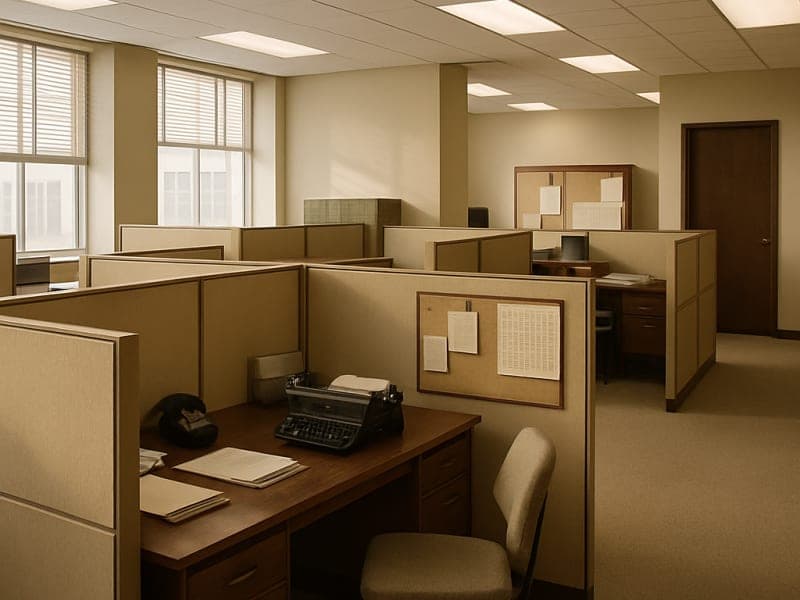
The concept of a workspace has undergone significant transformation over the decades, evolving in response to technological advancements and societal changes. Traditional office models, which dominated much of the 20th century, were characterised by hierarchical layouts and rigid structures. These offices were typically designed with closed-off spaces, individual cubicles, or separate rooms for different departments, promoting a clear division of work and reinforcing a top-down management approach.
In these environments, communication was often formal, relying heavily on memos and face-to-face meetings. The standard workday was structured around a fixed 9-to-5 schedule, with employees commuting to a central location. Examples of such office designs include the iconic skyscrapers of New York City, where companies like IBM and General Electric housed thousands of employees in expansive, floor-by-floor arrangements.
The Rise of Remote Work
The advent of digital technology and the internet in the late 20th and early 21st centuries heralded a new era for workspaces. The rise of remote work has been one of the most significant shifts, challenging the traditional office model and offering unprecedented flexibility. Initially adopted by tech companies in Silicon Valley, remote work has now permeated various industries, driven by both technological advancements and changing workforce preferences.
Remote work is characterised by its flexibility, enabling employees to work from virtually anywhere while staying connected through digital tools like video conferencing, cloud storage, and collaborative platforms such as Slack and Microsoft Teams. This model gained particular momentum during the COVID-19 pandemic, which forced many organisations to adapt to remote operations almost overnight. Companies like Twitter and Shopify have since embraced remote work as a permanent option, recognising its potential for increased productivity and work-life balance.
The evolution of workspaces continues as organisations seek to balance the benefits of remote work with the need for in-person collaboration, leading to hybrid models that offer the best of both worlds.
Current Trends Influencing Workspaces
In today’s rapidly evolving world, the design and functionality of workspaces are being reshaped by several key trends. From technological advancements to cultural shifts, these changes are redefining how and where we work.
The Impact of Technology
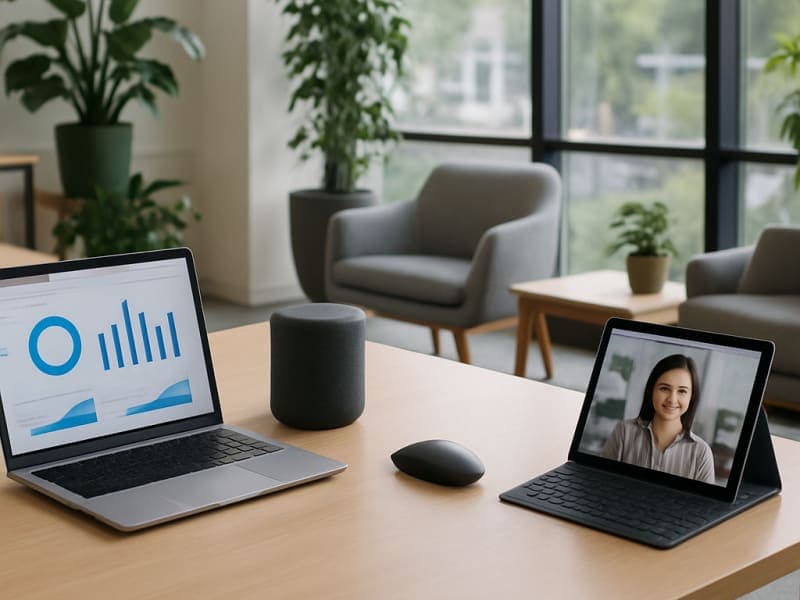
Technology continues to be a major driver of change in workspaces. The rise of remote work, powered by tools like Zoom, Slack, and Microsoft Teams, has made the traditional office less central to daily operations. Additionally, the integration of Artificial Intelligence (AI) is streamlining processes, allowing employees to focus on more strategic tasks. For instance, AI-driven analytics enable businesses to make data-informed decisions faster than ever before. Moreover, the Internet of Things (IoT) is transforming how office environments operate, with smart lighting and climate control improving energy efficiency and employee comfort. This technological transformation not only enhances productivity but also supports flexible working arrangements, a crucial factor in today’s job market.
Cultural Shifts and Employee Preferences
Cultural dynamics within organisations are also shifting, influenced by a greater emphasis on work-life balance and employee well-being. The traditional 9-to-5 model is being replaced by more flexible schedules that accommodate individual lifestyles and preferences. This change is particularly evident as Millennials and Generation Z enter the workforce, bringing with them expectations for more meaningful and balanced work experiences. Companies are responding by redesigning offices to be more collaborative and inclusive, with open spaces, breakout areas, and wellness rooms. Furthermore, there is a growing focus on diversity and inclusion, which is reflected in workspace designs that cater to a wide range of needs and preferences, enhancing both morale and productivity.
Together, these trends are not only shaping the physical aspects of workspaces but are also influencing the culture and expectations of the modern workforce. As organisations continue to adapt, the workspace of the future promises to be even more dynamic and inclusive.
Defining the Hybrid Office
What is a Hybrid Office?
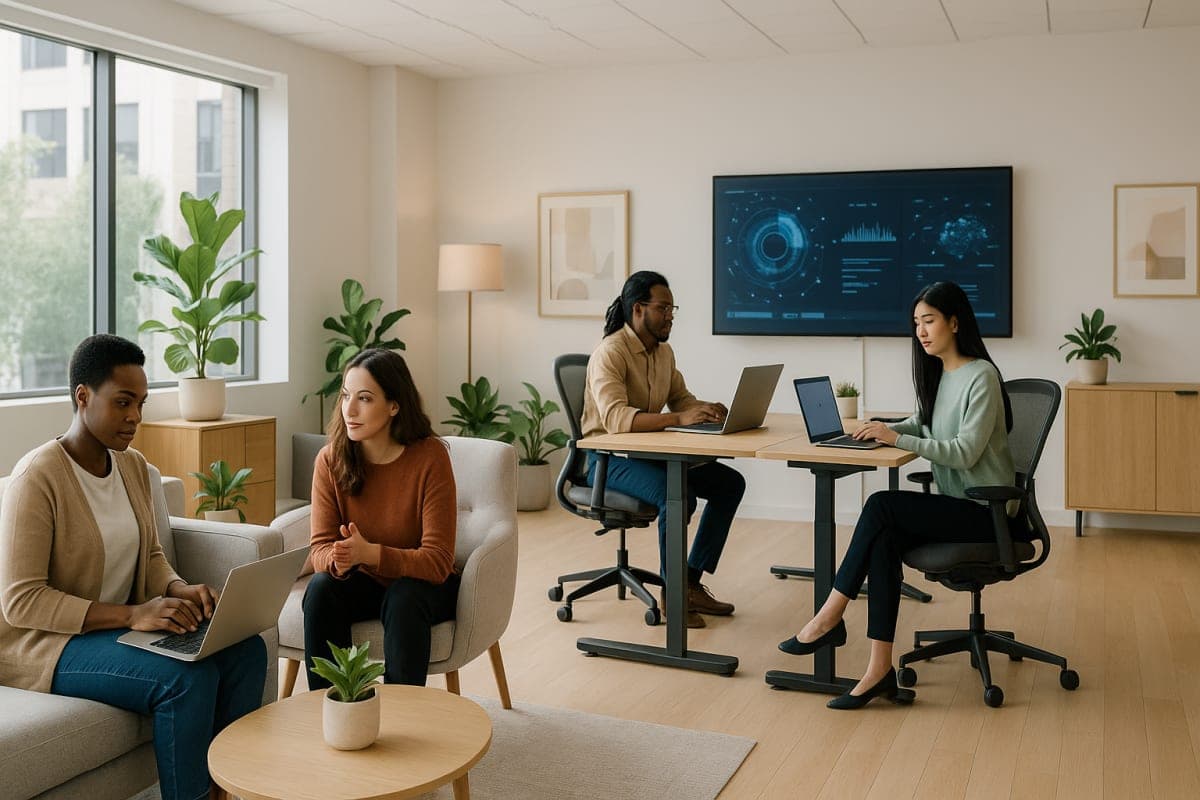
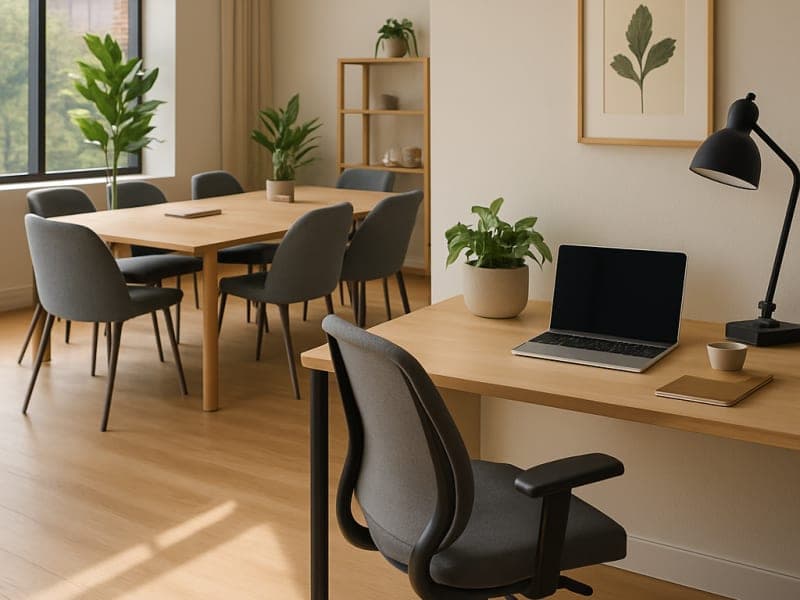
A hybrid office is an innovative workspace model that combines elements of traditional in-office work with the flexibility of remote work. This approach allows employees to choose where they work best, whether in a corporate office, at home, or another remote location. The hybrid office design acknowledges the evolving needs of the modern workforce, offering a balance between face-to-face collaboration and solitary, focused work. For instance, a marketing team might gather in the office for brainstorming sessions, while an IT specialist may prefer to tackle complex coding projects from a home office. This flexibility not only enhances productivity but also contributes to a healthier work-life balance.
Key Features of Hybrid Workspaces
Hybrid workspaces are characterised by their adaptability and technology-driven infrastructure. A critical feature is the seamless integration of digital tools that facilitate communication and collaboration across locations. Platforms like Zoom, Microsoft Teams, and Slack ensure that team members remain connected regardless of their physical location. Additionally, hybrid offices often include hot-desking arrangements, allowing employees to use any available desk when they work on-site, thereby optimising space utilisation.
Moreover, hybrid offices are designed to be inclusive and supportive, providing amenities like quiet zones for focused work and collaborative spaces for team interactions. Employers may also invest in ergonomic furniture and wellness programmes to support employee health and productivity. Ultimately, the key to a successful hybrid office lies in its ability to adapt to individual and organisational needs, fostering an environment that supports diverse working styles and maximises efficiency.
Benefits and Challenges of Hybrid Workspaces
Hybrid workspaces, where employees split their time between remote work and in-office presence, have become increasingly popular. This model offers unique advantages and challenges for both businesses and employees.
Advantages for Businesses and Employees
For businesses, hybrid workspaces can lead to significant cost savings. By reducing the need for large office spaces, companies can cut down on overhead expenses such as rent and utilities. Furthermore, businesses that adopt flexible work models often experience increased productivity and employee satisfaction. A study by Stanford University revealed that remote workers are 13% more productive than their in-office counterparts, thanks to fewer distractions and a more personalised work environment.
Employees, on the other hand, enjoy greater autonomy and work-life balance. The flexibility to work from home allows individuals to tailor their schedules to better meet personal and professional obligations. This can lead to enhanced job satisfaction and reduced stress levels, as employees spend less time commuting and more time focusing on their tasks or personal interests.
Potential Pitfalls and How to Overcome Them
Despite its benefits, the hybrid model presents certain challenges. For businesses, maintaining a cohesive company culture can be difficult when employees are dispersed. To overcome this, companies should invest in regular team-building activities and ensure open lines of communication through digital tools.
Employees may also face challenges related to work-life boundaries, leading to burnout. It's crucial for individuals to establish a dedicated workspace at home and adhere to a structured schedule. Employers can support this by encouraging regular breaks and respecting employees' off-hours.
In conclusion, while hybrid workspaces offer numerous benefits, they also require thoughtful implementation to address potential pitfalls. By leveraging technology and fostering a supportive work culture, both businesses and employees can maximise the advantages of this flexible work model.
Technological Innovations Shaping the Future
In today's rapidly advancing digital age, technological innovations are revolutionising the way we interact, work, and live. Two key areas at the forefront of this transformation are tools for collaboration and communication, and the role of artificial intelligence.
Tools for Collaboration and Communication
As the world becomes increasingly interconnected, the demand for efficient collaboration and communication tools has surged. Platforms such as Slack, Microsoft Teams, and Zoom have become indispensable, facilitating seamless communication across global teams. These tools not only enable real-time messaging and video conferencing but also integrate with a myriad of other applications, creating a unified workspace. For instance, Trello and Asana have transformed project management by allowing teams to visualise workflows and track progress collectively. These platforms empower organisations to maintain productivity and cohesion, even when team members are scattered across different time zones.
The Role of Artificial Intelligence
Artificial Intelligence (AI) is another pivotal force reshaping the future landscape. AI's ability to process vast amounts of data and recognise patterns has profound implications across various sectors. In healthcare, AI algorithms can predict patient outcomes, assist in diagnosis, and personalise treatment plans, enhancing patient care. In finance, AI-driven analytics optimise investment strategies and detect fraudulent activities with unprecedented accuracy. Moreover, AI-powered chatbots and virtual assistants, such as Siri and Alexa, are transforming customer service by providing instant support and personalising user experiences. As AI continues to evolve, its potential to revolutionise industries and improve our daily lives is immense.
In conclusion, as tools for collaboration and artificial intelligence advance, they are not only shaping the future of work and interaction but also unlocking new possibilities and efficiencies across various domains.
Designing the Office of Tomorrow
In an era where the dynamics of work are rapidly evolving, the design of office spaces is undergoing a significant transformation. The office of tomorrow prioritises flexibility, sustainability, and wellness, creating environments that are not only functional but also conducive to employee satisfaction and productivity.
Flexible and Adaptive Spaces
Modern workplaces are increasingly embracing the concept of flexible and adaptive spaces. These areas are designed to cater to a variety of work styles and needs, allowing for seamless transitions between collaborative sessions and focused, individual tasks. For instance, movable walls and modular furniture can be reconfigured to suit different activities, whether it’s a brainstorming session or a quiet work period. This flexibility not only maximises space utilisation but also empowers employees to tailor their environment to their specific needs, fostering creativity and productivity.
Sustainability and Wellness Considerations
Sustainability and wellness are at the forefront of designing future workplaces. Incorporating natural light, using eco-friendly materials, and integrating green spaces contribute to a healthier and more sustainable office environment. For example, living walls and indoor gardens not only enhance aesthetic appeal but also improve air quality and employee well-being. Furthermore, sustainable design extends to energy efficiency, with offices adopting smart lighting and HVAC systems to reduce environmental impact and operational costs. By prioritising these elements, businesses can create an office culture that values employee health and planetary sustainability, ultimately leading to a more engaged and motivated workforce.
In conclusion, the office of tomorrow is one that is flexible, sustainable, and wellness-focused, setting the stage for a new era of workplace innovation.
Conclusion
Summary of Key Points
In this exploration of modern workspaces, we have delved into the key trends shaping the future of work. Flexibility remains paramount, with hybrid models allowing employees to toggle between home and office. Technology, particularly AI and VR, is transforming collaboration and efficiency. Furthermore, workplace wellness has gained prominence, with organisations prioritising mental health and ergonomic designs to boost productivity and job satisfaction.
Looking Ahead: Predictions for Future Workspaces
As we look to the future, we can expect further integration of advanced technologies, such as AI-driven analytics, to optimise workspace utilisation. The rise of "smart offices" will continue, with IoT devices streamlining operations and enhancing connectivity. Sustainability will also be a driving force, with eco-friendly practices becoming standard. Ultimately, workspaces will evolve to be more adaptive, accommodating the diverse needs of a dynamic workforce. This transformation will ensure organisations remain competitive and employees thrive in an ever-changing environment.
Frequently Asked Questions
What is meant by a hybrid office?
A hybrid office is a workspace model that combines elements of both traditional office settings and remote work. It allows employees to split their work time between the office and remote locations, often providing flexible schedules to accommodate personal and professional needs. This approach aims to enhance productivity and employee satisfaction by offering a balance of collaboration and autonomy.
How can businesses effectively implement a hybrid office model?
To effectively implement a hybrid office model, businesses should start by assessing their workforce's needs and preferences. Clear communication and setting expectations are crucial, as is investing in technology that enables seamless collaboration between in-office and remote employees. Creating a flexible and inclusive culture that values outcomes over physical presence can also enhance the success of a hybrid office model.
What are the potential challenges of a hybrid office, and how can they be addressed?
Potential challenges of a hybrid office include communication barriers, feelings of isolation among remote workers, and difficulties in maintaining a cohesive company culture. These can be addressed by utilising reliable communication tools, ensuring regular check-ins, and organising team-building activities. It's important to foster an environment where all employees feel included and valued, regardless of their work location.
What role does technology play in the hybrid office of tomorrow?
Technology plays a crucial role in the hybrid office by facilitating communication, collaboration, and efficient work processes. Tools such as video conferencing platforms, project management software, and cloud-based solutions enable employees to work effectively, regardless of their location. As technology continues to evolve, we can expect more innovative solutions that will further bridge the gap between in-office and remote work environments.
How will the hybrid office impact traditional office spaces?
The hybrid office is likely to lead to a transformation in traditional office spaces, prioritising flexible and collaborative environments over individual workstations. Offices may become more adaptable, with spaces designed for meetings, brainstorming sessions, and social interactions. This shift will encourage creative and dynamic use of space, reflecting the evolving needs of a modern workforce.
About Julie Bennetts
Expert in: GEO Marketing, AI Search Visibility, Content Strategy
Was this article helpful?
Want More Expert Content?
Discover how GEO-Score Online can help you achieve your content marketing goals.
Related Articles
Crack the GEO Code: A No-Nonsense Guide to Mastering Score Calculations
So, you reckon you’ve cracked the SEO game, eh? Think again. While you're busy banging on about keywords, AI’s having a feast on your clicks.
Navigating the Intricacies of E-commerce Protocols: A Practical How-To Guide
In the ever-evolving landscape of digital commerce, a staggering 95% of purchases are projected to be facilitated by e-commerce by 2040, according to a recent...

Mastering GEO Strategy in AI-Driven Landscapes: A Step-by-Step Approach
In a world where artificial intelligence is redefining how we access information, mastering GEO strategy is no longer optional—it's essential.