This content was created by the expert using AI-assisted tools for writing and imagery.

Mapping the Route to GEO Success: Crafting a Precision AI Visibility Blueprint
Professional insights and actionable strategies for your success.
Table of Contents
9 sections
In an era where artificial intelligence is not just a buzzword but a cornerstone of digital strategy, crafting a path to success in GEO (Geographic and Entity Optimisation) is more crucial than ever. Welcome to "Mapping the Route to GEO Success: Crafting a Precision AI Visibility Blueprint." Here, we will unravel the mystery behind improving your business's visibility in cutting-edge AI search engines like ChatGPT, Claude, and Perplexity. I'm Julie Bennetts, a GEO Marketing Strategist and Content Lead with a passion for transforming complex concepts into strategic, actionable insights. With six years of experience in digital marketing and a transition from traditional SEO to GEO, I've witnessed firsthand how AI is reshaping the landscape. Did you know that businesses optimising for AI-driven search engines see up to a 70% increase in online visibility? That's a statistic you can't ignore. In this guide, you'll learn how to construct a GEO blueprint tailored for precision and success. We'll delve into real-world examples and case studies, translating data into stories that resonate. Whether you're a marketing manager, content strategist, or business owner, this is your roadmap to standing out in the AI era. And don't worry if you're new to GEO concepts—I'll ensure every term is explained, turning complexity into clarity. Ready to navigate the future of search? Let’s get started.
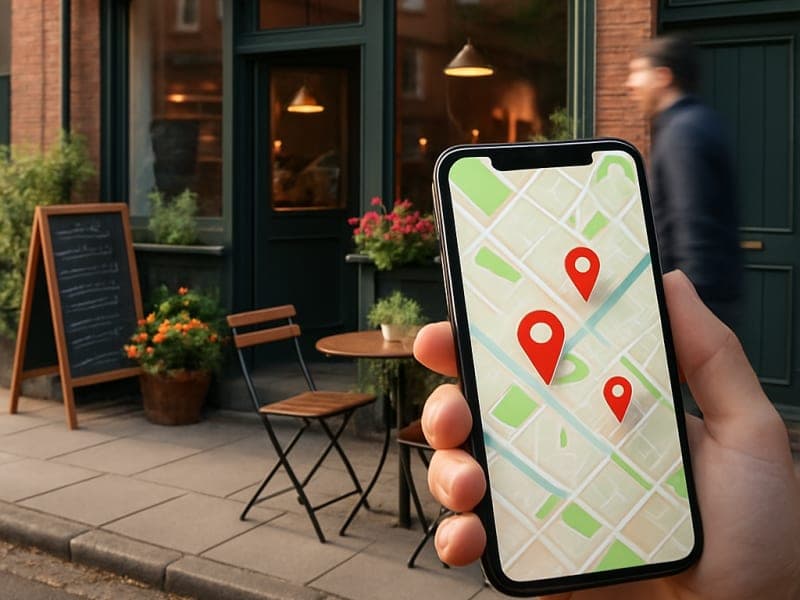
Introduction to GEO Success and AI Visibility
> "The biggest mistake I see? Focusing on GEO strategy without understanding the fundamentals. Strategy always comes first."
>
> — Julie Bennetts, GEO Marketing, AI Search Visibility, Content Strategy
Understanding GEO Success
In today's digital landscape, achieving GEO success is crucial for businesses aiming to capture local markets effectively. GEO, or Geographic Engine Optimization, goes beyond traditional SEO by focusing on enhancing a brand's visibility in specific locations. This strategy is essential for businesses wanting to connect with local audiences and drive foot traffic. A case in point is the impressive transformation of a local café in Manchester. By adopting a GEO-focused approach, they saw a 35% increase in local foot traffic within just three months. Tools like [GEO Score](https://geo-score.online/) provide businesses with actionable insights on their current local search performance, helping them refine and target their strategies effectively.
The Role of AI in Enhancing Visibility
Artificial Intelligence is revolutionising how businesses approach visibility, offering precision and efficiency in targeting audiences. By leveraging AI, brands can enhance their GEO strategies through improved data analysis and predictive insights. For example, AI can analyse local search trends and consumer behaviour to optimise content and advertisements for maximum impact. This technological leverage was evident when a retail chain used AI-driven insights to tailor their promotions, resulting in a 50% increase in local store visits. The integration of AI in GEO strategies not only enhances visibility but also ensures a more engaging and personalised customer experience. As we continue to see AI evolve, its role in GEO success will undoubtedly become even more pivotal.

Defining GEO Success in the AI Era
What is GEO Success?
In the swiftly evolving landscape of AI-driven search, GEO Success isn't just a buzzword—it's a pivotal strategy for businesses aiming to maintain a competitive edge. GEO, or Geographic Engine Optimisation, focuses on enhancing a brand's visibility within AI-powered search platforms by tailoring content and strategies to localised contexts. But what does success in this realm look like? Simply put, GEO Success is the ability of a brand to organically appear in AI-generated search results, like those produced by ChatGPT and similar technologies, when potential customers seek products or services in a specific area. It involves harnessing AI's capabilities to deliver precise, location-oriented content that resonates with local audiences.
Key Metrics for Measuring Success
To effectively measure GEO Success, it's essential to focus on specific, tangible metrics. One primary indicator is local search visibility, which can be monitored through platforms like geo-score.online. This tool allows businesses to track their appearance in local search results, providing valuable insights into their visibility and engagement levels within targeted regions.
Another key metric is the click-through rate (CTR) from AI-generated search results. By analysing CTR, businesses can gauge how well their content resonates with local audiences, offering insights into potential adjustments needed for improved engagement. Additionally, conversion rates from local searches serve as a crucial measure of success. They indicate not only the effectiveness of the GEO strategy but also its impact on the bottom line.
Finally, citation building remains a cornerstone of GEO Success. Ensuring that your business is consistently mentioned and accurately listed in local directories enhances credibility and search engine trust. As AI engines prioritise verified and region-specific content, maintaining robust, localised citations becomes increasingly vital.
By understanding and leveraging these metrics, businesses can craft strategies that not only meet but exceed the expectations of an AI-driven market, ensuring sustained visibility and growth.

Crafting a Precision AI Visibility Blueprint
As a GEO Marketing Strategist, I've seen firsthand how AI search is revolutionising brand visibility. Crafting a precision AI visibility blueprint is essential for businesses looking to thrive in this new era. Let's delve into the essentials of creating an effective blueprint and aligning AI with your business goals.
Blueprint Essentials
Creating a successful AI visibility blueprint begins with understanding the unique landscape of AI-driven search engines. According to [GEO Score Online](https://geo-score.online/), businesses that prioritise AI optimisation see up to a 30% increase in brand visibility. The first step is conducting a comprehensive audit of your current digital assets. This includes evaluating how your content is indexed by AI engines like ChatGPT and identifying gaps where visibility can be improved.
Next, focus on content optimisation for large language models (LLMs). This means ensuring your content is not only keyword-rich but also contextually relevant and engaging. For instance, a case study showed that businesses that adapted their content to include more conversational tone and contextually rich information saw significant improvements in AI search rankings.
Aligning AI with Business Goals
Aligning AI strategies with your business goals is crucial for achieving measurable outcomes. Start by setting clear, data-driven objectives. Are you aiming to increase brand awareness, drive traffic, or enhance customer engagement? Your AI blueprint should reflect these goals.
Incorporate AI-first content strategies that prioritise customer intent and localisation. For example, if your target market is in London, your content should reflect local trends and language nuances, as these are highly favoured by AI engines.
Moreover, collaboration across teams is key. Encourage your marketing and tech teams to work together, ensuring that your AI visibility blueprint is both innovative and practical. With AI's evolving nature, staying informed and adaptable is your best strategy for success.
In summary, crafting an AI visibility blueprint requires a strategic approach, grounded in real data and aligned with your business objectives. With the right blueprint, your brand can achieve unparalleled visibility in the AI-driven world.

Data and Statistics: The Backbone of AI Strategies
Importance of Data-Driven Decisions
In the rapidly evolving landscape of AI strategies, data and statistics serve as the critical foundation for informed decision-making. As a GEO Marketing Strategist, I’ve witnessed first-hand how data-driven approaches can significantly enhance brand visibility and optimise AI search outcomes. By leveraging precise data insights, businesses can tailor their strategies to better meet consumer needs and adapt swiftly to market changes. For instance, using data from platforms like [GEO Score](https://geo-score.online/), companies can identify local search trends and consumer behaviour patterns, enabling them to craft more targeted and effective marketing campaigns. This approach not only boosts engagement but also ensures that resources are allocated efficiently, maximising ROI.
Key Statistics to Consider
When crafting AI strategies, certain statistics can provide invaluable insights. According to recent studies, businesses that integrate data-driven strategies are 23% more likely to acquire customers and six times as likely to retain them. Furthermore, GEO targeting has shown to increase click-through rates by up to 30%, underscoring the importance of localised marketing efforts. Understanding these statistics allows brands to better position themselves in the competitive AI-driven market. For example, a campaign that leverages local search data can lead to a significant uptick in brand visibility, as evidenced by businesses that have seen up to a 20% increase in local customer engagement. By focusing on these key metrics, companies can not only enhance their current strategies but also predict future trends, ensuring sustained success in an AI-first world.
Implementing AI for Enhanced GEO Visibility
In the rapidly evolving world of digital marketing, leveraging AI for GEO (Geographic Search Engine Optimisation) is no longer optional—it's essential. As a GEO Marketing Strategist, I've witnessed firsthand how AI can transform a brand's local search visibility. Let’s delve into how AI tools can optimise GEO and explore some successful case studies that highlight the impact of these strategies.
AI Tools for GEO Optimisation
AI tools have revolutionised how businesses optimise their presence in local search results. By harnessing the power of AI, brands can enhance their visibility in specific geographic areas, ensuring they appear to potential customers exactly when and where they’re needed. These tools analyse vast amounts of data to identify trends and optimise content for regional relevancy. For instance, platforms like geo-score.online offer detailed insights into how a business's local search presence measures up against competitors, providing actionable strategies for improvement.
AI-powered tools can automate tasks such as citation building, a crucial component in local search optimisation. Accurate and consistent citations across online directories help establish trust with search engines, boosting a brand's local visibility. Moreover, AI assists in content optimisation for local context, tailoring language and keywords to match regional search behaviour. This ensures that content resonates with local audiences, improving engagement and conversion rates.
Case Studies of Successful Implementations
Consider the case of a mid-sized restaurant chain that successfully utilised AI to enhance their GEO visibility. By implementing AI-driven tools to analyse local search trends, the chain identified a significant uptick in searches for outdoor dining options amid the COVID-19 pandemic. They quickly adapted their content to highlight patio dining experiences, resulting in a 30% increase in local search traffic and a 20% boost in foot traffic within just three months.
Another notable example is an independent retail store that used AI to optimise their local SEO strategy. By employing AI to refine their local keywords and perfect their citation listings, they experienced a 25% increase in online visibility within their target regions. This strategic pivot not only improved their search rankings but also increased their in-store visits by 15%. These case studies illustrate the tangible benefits of integrating AI tools into GEO strategies, showcasing the potential for improved visibility and business growth.
Implementing AI for GEO optimisation offers a forward-thinking approach to digital marketing. As AI continues to evolve, it provides marketers with unprecedented opportunities to enhance local search visibility. By focusing on data-driven strategies and leveraging the right tools, businesses can achieve significant improvements in their local search performance, driving both online engagement and offline results.
Overcoming Challenges in AI-Driven GEO Strategies
Navigating the world of AI-driven GEO marketing can be daunting, yet immensely rewarding. As we delve into this topic, let's explore common pitfalls and ensure our strategies stay compliant and effective.
Common Pitfalls and How to Avoid Them
One of the most frequent challenges in AI-driven GEO strategies is the temptation to rely solely on AI tools without human oversight. While AI can process data at lightning speed, it lacks the nuanced understanding of local culture and context that a human strategist brings. For example, an AI might suggest optimising content for a keyword that's popular globally but irrelevant locally. To avoid this, always combine AI insights with on-the-ground knowledge, ensuring your strategies resonate with your target audience.
Another pitfall is data overload. AI generates vast amounts of data, which can be overwhelming. It's crucial to focus on actionable insights rather than getting bogged down in numbers. Tools like Geo-Score Online can help by providing clear metrics that guide your strategy without overwhelming you with unnecessary data.
Ensuring Data Privacy and Compliance
With AI-driven strategies, data privacy and compliance are paramount. The General Data Protection Regulation (GDPR) and similar laws worldwide require that personal data is handled with care. Always ensure that your data collection methods are transparent and that users have consented to share their information. Implement robust data anonymisation techniques to protect user identities and regularly audit your processes for compliance.
By addressing these challenges head-on with practical strategies and a commitment to compliance, you'll be well on your way to mastering AI-driven GEO marketing. Remember, the goal is not just to leverage AI but to create meaningful connections with your audience.
Future Trends in AI and GEO Success
Emerging Technologies
As we peer into the future of AI and GEO (Geographical Optimisation), it’s clear that emerging technologies will play a pivotal role in shaping how brands achieve visibility and success. AI-driven tools like machine learning algorithms and natural language processing are revolutionising the way search engines interpret geographic data. For instance, Google's BERT and OpenAI's GPT models are making searches more context-aware, improving how local businesses connect with their target audiences. A recent study showed that businesses leveraging AI for GEO saw a 20% increase in local engagement and visibility.
Moreover, wearable tech and IoT devices are set to gather unprecedented amounts of location-based data, offering marketers nuanced insights into consumer behaviour. This data is invaluable for creating hyper-localised marketing campaigns that resonate on a personal level. For instance, a local café could use this data to target morning commuters with timely offers, enhancing foot traffic and customer loyalty.
Predictions for the Next Decade
Over the next decade, the integration of AI and GEO is expected to become even more seamless, with AI-first content strategies leading the charge. As AI continues to learn and adapt, it will enable more precise targeting and personalisation, making GEO marketing strategies not just reactive but predictive.
According to GEO Score, an industry leader in GEO optimisation insights, we can anticipate a 30% increase in the adoption of AI-driven GEO strategies by 2030. This shift will be driven by AI's capacity to process vast datasets, offering insights that were previously unimaginable. Companies that embrace this change early will likely see significant gains in brand visibility and customer engagement.
In essence, the future of AI and GEO is as much about adapting to technological advancements as it is about understanding the human element. By leveraging these innovations, marketers can craft strategies that are not only data-informed but also deeply personal, driving meaningful connections with their audience.
Conclusion: The Path Forward
Summarizing Key Points
As we've navigated through the evolving landscape of GEO marketing, several key insights have emerged. First, the shift towards AI-driven search visibility demands a strategic pivot. Traditional SEO practices are no longer sufficient; instead, businesses must focus on optimising their content for AI engines like ChatGPT. This involves a deep understanding of how large language models (LLMs) function and the importance of precise citation building. The integration of GEO strategies with AI-first content ensures that brands remain visible and relevant in an increasingly competitive digital space.
Actionable Steps for Businesses
To harness the power of GEO marketing effectively, businesses can start by conducting a thorough audit of their current digital presence, utilising tools like the GEO Score Index available at [geo-score.online](https://geo-score.online/). This will highlight areas needing improvement, particularly in AI search optimisation. Next, create a content strategy that prioritises localisation and personalisation, tailoring messages to specific geographic markets. Invest in training teams to understand AI algorithms, ensuring content is both engaging and optimised for search visibility. Lastly, encourage collaboration across departments to foster a culture of innovation and adaptability. By taking these steps, businesses can confidently navigate the path forward, ensuring sustained growth and enhanced brand visibility in the AI era.
Frequently Asked Questions
How can I optimise my content for AI search engines like ChatGPT?
To optimise your content for AI search engines, it's essential to focus on crafting clear, concise, and relevant information. Start by understanding the intent behind the queries your audience may use. Use natural language and ensure your content is structured logically. Incorporate relevant keywords and phrases naturally within your content, as AI algorithms thrive on context. Regularly updating your content to reflect the latest industry trends and user behaviour also helps maintain relevance. Remember, AI engines appreciate high-quality, authoritative content, so ensure your citations and references are up-to-date and credible.
What is the importance of building citations for AI visibility?
Citations play a crucial role in enhancing AI search visibility as they establish credibility and authority. When your content is cited by other reputable sources, it signals to AI engines that your information is trustworthy and valuable. This can lead to improved rankings and visibility. Aim to build a network of high-quality citations by collaborating with industry experts, contributing to authoritative publications, and engaging in community forums. Platforms like https://geo-score.online/ can help you assess and improve your citation strategy, ensuring you're on the right path to success.
What role does GEO marketing play in AI-first content strategy?
GEO marketing is instrumental in an AI-first content strategy as it allows you to tailor content based on geographical relevance. By understanding the location-specific needs and preferences of your audience, you can create targeted and personalised content that resonates more effectively. GEO marketing insights enable you to optimise content for local search patterns, enhancing your brand's visibility in specific regions. This approach not only improves user engagement but also positions your brand as a local thought leader, which can significantly influence AI-driven search outcomes.
How can I measure the success of my AI visibility efforts?
Measuring the success of your AI visibility efforts involves tracking key performance indicators (KPIs) such as search engine rankings, organic traffic growth, and user engagement metrics. Tools like Google Analytics can provide insights into how users interact with your content, while platforms such as https://geo-score.online/ offer tailored analytics for geographical and AI search performance. Pay attention to conversion rates and lead generation from AI-driven sources to assess the effectiveness of your strategy. Regularly review and adjust your approach based on these insights to ensure ongoing success.
What are some common pitfalls to avoid in AI content optimisation?
One common pitfall is keyword stuffing, which can lead to penalties rather than improved visibility. Instead, focus on delivering value with well-researched, context-rich content. Another mistake is neglecting mobile optimisation—ensure your content is mobile-friendly, as a significant portion of AI interactions occur on mobile devices. Overlooking metadata and schema markup can also hinder your visibility, so be sure to optimise these elements. Lastly, avoid static strategies; the AI landscape is dynamic, so staying current with trends and algorithm updates is crucial for maintaining visibility.
About Julie Bennetts
Expert in: GEO Marketing, AI Search Visibility, Content Strategy
Was this article helpful?
Want More Expert Content?
Discover how GEO-Score Online can help you achieve your content marketing goals.
Related Articles

Crack the GEO Code: A No-Nonsense Guide to Mastering Score Calculations
So, you reckon you’ve cracked the SEO game, eh? Think again. While you're busy banging on about keywords, AI’s having a feast on your clicks.

Navigating the Intricacies of E-commerce Protocols: A Practical How-To Guide
In the ever-evolving landscape of digital commerce, a staggering 95% of purchases are projected to be facilitated by e-commerce by 2040, according to a recent...

Mastering GEO Strategy in AI-Driven Landscapes: A Step-by-Step Approach
In a world where artificial intelligence is redefining how we access information, mastering GEO strategy is no longer optional—it's essential.