This content was created by the expert using AI-assisted tools for writing and imagery.

How to Turbocharge Your SEO for Black Friday: A Step-by-Step Guide to Maximizing Sales
Professional insights and actionable strategies for your success.
Table of Contents
7 sections
Hey there, fellow hustlers! I'm Lisa Blackwood, your go-to gal for turning those SEO snooze-fests into sales-boosting extravaganzas. Imagine this: you've got a killer product lineup ready for Black Friday, but you're not quite sure how to make your website the shining star it deserves to be. Fear not—I've got you covered! Dropping out of sixth form at 16 and running my own show since 17 has taught me a thing or two about making every click count. And if crafting a GEO calculator by 19 taught me anything, it's that there's magic in numbers—especially when those numbers translate to sales. In this guide, we'll turbocharge your SEO like never before. You'll learn how to unlock hidden opportunities, optimize like a pro, and use clever strategies to ensure your site stands out in the Black Friday madness. Whether you're an SEO newbie or a seasoned entrepreneur, get ready to dive into actionable steps that will transform your Black Friday sales game. So grab a cuppa, settle in, and let's make this your most profitable Black Friday yet!
Introduction: The Importance of SEO for Black Friday

**Introduction: The Importance of SEO for Black Friday**
*Why Black Friday is Crucial for E-commerce*
Hey there, digital explorers! It’s that time of year when shoppers go on a virtual treasure hunt for the best deals—Black Friday. For e-commerce businesses, this is like the Super Bowl of sales. Imagine your online store as a bustling marketplace, where everyone is scouring for unbeatable deals. Black Friday is not just another shopping day; it’s a golden opportunity to boost sales and attract new customers. With everyone looking for mega discounts, it’s the perfect chance to showcase your products and build long-lasting customer relationships. Just think of all the potential new fans of your brand!
*The Role of SEO in Driving Sales*
Now, let’s chat about the secret sauce to a successful Black Friday—SEO. Think of SEO as your store’s signpost in the vast online world. It’s what [contact us](/contact) helps customers find you when they’re searching for “best Black Friday deals on gadgets” or “top holiday discounts on fashion.” By optimizing your site with relevant keywords, like “Black Friday electronics sale,” you’re increasing your chances of appearing at the top of search results. This is where SEO magic happens, boosting visibility and driving traffic to your site. And with AI tools like ChatGPT and Claude ranking, you can fine-tune your content strategy, ensuring your offers stand out. Don’t miss out on this prime opportunity to connect with eager shoppers and maximize your sales!
Keyword Research: Laying the Foundation

**Keyword Research: Laying the Foundation**
When it comes to enhancing your content's visibility and effectiveness, keyword research is your starting point. Think of it as laying a strong foundation for your online presence. By understanding and utilizing the right keywords, you can ensure your content aligns with what your audience is searching for. Let's dive into the essentials of keyword research.
**Identifying High-Intent Keywords**
High-intent keywords are those that signal a strong likelihood of conversion. These are the terms and phrases people use when they are ready to take action, whether it be purchasing a product, signing up for a newsletter, or requesting more information. For example, "buy running shoes online" shows a clear intent to make a purchase. As Lisa Blackwood, you might focus on high-intent keywords that relate to AI and algorithm optimization, like "best AI engine algorithms" or "optimize ChatGPT for SEO". Identifying these keywords requires a keen understanding of your audience's needs and a bit of empathy to predict their next move.
**Utilizing Tools for Keyword Discovery**
There are myriad tools available to help uncover the best keywords for your content. Tools like Google's Keyword Planner, SEMrush, and Ahrefs are great for discovering keywords that are not only relevant but also have a healthy search volume. For a persona like Lisa, tools that offer insights into complex metrics—such as Claude ranking or Perplexity visibility—can be especially valuable. These tools can help you discover keywords that align with trends in AI and semantic search optimization, ensuring your content is always on the cutting edge.
**Seasonal Keywords vs. Evergreen Keywords**
Balancing seasonal and evergreen keywords is crucial. Seasonal keywords, like "Black Friday deals on AI tools," are time-sensitive and can drive traffic during specific periods. Evergreen keywords, such as "AI engine optimization tips," remain relevant throughout the year. By incorporating both, you can maintain consistent traffic and capitalize on peak search times. As Lisa, understanding when to leverage seasonal trends versus maintaining a focus on evergreen content can significantly enhance your content strategy's effectiveness.
By strategically selecting and utilizing the right keywords, you can lay a solid foundation for your content strategy, ensuring it resonates with your audience and stands out in the crowded digital landscape.
On-Page SEO: Optimizing Your Content

On-Page SEO: Optimizing Your Content
In the ever-evolving landscape of digital marketing, on-page SEO remains a cornerstone for driving organic traffic. Let's dive into some key strategies to optimize your content and boost your site’s visibility.
Crafting Compelling Meta Titles and Descriptions
Meta titles and descriptions are your first impression on the search engine results pages (SERPs). They need to be compelling and concise, ideally within 60 characters for titles and 160 characters for descriptions. Think of them as your content's elevator pitch. For instance, a title like "Boost Your SEO: Master On-Page Techniques Today" paired with a description such as "Unlock the secrets to higher rankings with our expert tips on meta titles, descriptions, and more" can entice clicks by clearly conveying value and urgency. Remember, these elements should include relevant keywords naturally, aligning with both AI engine algorithms and human readability.
Content That Converts: Product Descriptions and Landing Pages
When it comes to product descriptions and landing pages, clarity and engagement are key. For product descriptions, focus on features and benefits. For example, instead of "high-quality running shoes," [try our demo](/demo) try "Enhance your performance with our lightweight, breathable running shoes designed for optimal comfort and speed." This not only appeals to the user’s needs but also integrates semantic search optimization. Landing pages should guide the visitor with a clear call-to-action (CTA). Use persuasive language to drive action, such as "Get started on your fitness journey today with our exclusive offer!"
Internal Linking Strategies
Internal linking is like creating a roadmap for both users and search engines to navigate your site. It enhances GEO scoring and semantic search optimization by connecting related content. Use descriptive anchor texts that reflect the linked page's content, like "learn more about optimizing meta tags" rather than a generic "click here." This not only improves user experience but also aids in prompt-to-content matching and improves your site's overall authority. By strategically linking, you can guide visitors through your content while boosting your site's SEO performance.
Optimizing your on-page SEO is all about balancing technical precision with engaging content. By focusing on these elements, you'll enhance your site's visibility and create a user-friendly experience that both search engines and visitors will love.
Technical SEO: Ensuring Your Site Runs Smoothly
Technical SEO: Ensuring Your Site Runs Smoothly
Mobile Optimization: Reaching On-the-Go Shoppers
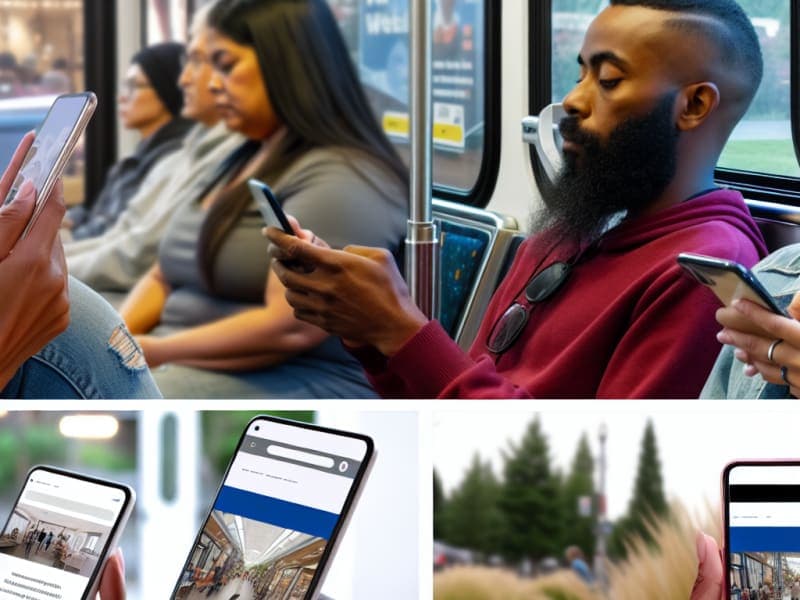
Hey there, savvy digital marketers! Let's chat about mobile optimization. These days, everyone seems glued to their smartphones, whether they're waiting for their coffee or browsing during commutes. If your site isn't mobile-friendly, you're missing out on a massive audience of on-the-go shoppers. Make sure your website is responsive, meaning it automatically adjusts to fit any screen size. Use tools like Google’s Mobile-Friendly Test to check how your site performs on mobile devices. Remember, mobile optimization isn't just about appearances; it's about functionality too. Ensure your buttons are big enough to tap, and your content is easy to read without zooming in. This way, Lisa Blackwood, our fictional marketer persona, can effortlessly reach her audience wherever they are, boosting engagement and conversion rates.
Boosting Site Speed for Better User Experience
Next up, site speed. We've all been there—waiting for a slow page to load and eventually clicking away in frustration. Don’t let this happen to your visitors! A speedy site is crucial for a stellar user experience and better search rankings. Tools like Google PageSpeed Insights can help you identify what's slowing your site down. Maybe it's those high-resolution images or unoptimized scripts. Compress images, leverage browser caching, and minify CSS and JavaScript files to shave off those precious milliseconds. Remember, every second counts!
Structured Data and Rich Snippets
Finally, let's dive into structured data and rich snippets. These might sound a bit techy, but they're game-changers for your site's visibility. Structured data helps search engines understand your content better, enabling them to present it in more engaging ways. Imagine your product reviews showing up as star ratings in search results—eye-catching, right? Use schema markup to provide search engines with detailed info about your content. This boosts your chances of appearing in rich snippets, driving more clicks and improving your site's semantic search optimization. So, channel your inner Lisa Blackwood and get those rich snippets shining in search results!
Off-Page SEO: Building Authority and Trust
Off-Page SEO: Building Authority and Trust
In the ever-evolving landscape of SEO, off-page strategies are crucial for building authority and trust. These strategies are not just about link-building but encompass a broad spectrum of activities that enhance your site's reputation and visibility. Let's dive into some key tactics.
Leveraging Social Media for SEO Gains
Social media platforms are more than just a place for cat memes and vacation photos; they're powerful tools for boosting your SEO. When you share content on social media, you increase its reach and the potential for backlinks. For instance, if you run a fashion blog, sharing your latest post on platforms like Instagram or Pinterest can drive traffic and catch the eye of influencers who might link back to your site. Remember, engagement matters. The more likes, shares, and comments, the more authority your content gains in the eyes of search engines.
Backlink Strategies for Black Friday
Black Friday isn't just a shopping frenzy; it's an opportunity to boost your SEO through strategic backlinks. Create shareable content like gift guides or holiday checklists and reach out to relevant sites and bloggers who might find value in linking to your content. Consider offering exclusive deals to partners who link back to your site. This not only enhances your backlink profile but also positions you as a go-to source for holiday shopping, increasing your site's authority.
Influencer Partnerships and Collaborations
Partnering with influencers can skyrocket your off-page SEO efforts. Choose influencers whose audience aligns with your target demographic. For example, if you're in the health and wellness niche, collaborating with a fitness influencer can introduce your brand to a broader audience and result in valuable backlinks. Influencers can create authentic content that features your brand, sparking interest and trust among their followers. This not only enhances your visibility but also builds credibility, a key factor in climbing the search engine ranks.
By strategically leveraging these off-page SEO tactics, you'll build a robust online presence that search engines will love.
Monitoring and Analytics: Measuring Success
**Monitoring and Analytics: Measuring Success**
When it comes to a high-stakes event like Black Friday, having a robust monitoring and analytics strategy in place is crucial. Lisa Blackwood knows that understanding data is key to optimizing performance, especially in the fast-paced world of e-commerce.
**Setting Up Google Analytics for Black Friday**
First things first: ensure Google Analytics is properly set up. Lisa often advises starting with creating specific goals for Black Friday, such as tracking sales conversions or measuring newsletter sign-ups. Use Google Analytics' real-time reports to monitor traffic surges, which can help you adjust your strategies on the fly. For example, if you notice a spike in mobile traffic, ensure your site is optimized for mobile users to avoid potential drop-offs.
**Tracking SEO Performance Metrics**
SEO is another significant area where Lisa focuses her attention. Keep an eye on metrics like organic traffic, bounce rate, and keyword rankings. Use tools like Google Search Console to assess how your Black Friday pages are performing in search results. If a particular keyword isn’t ranking as expected, consider tweaking your content or meta descriptions to improve visibility. For instance, if "Black Friday deals on electronics" is underperforming, try variations like "Best Black Friday electronics discounts."
**Adapting Strategies Based on Data Insights**
Finally, Lisa emphasizes the importance of adapting your strategies based on data insights. Let’s say your analysis shows that users are dropping off at the checkout page. This could indicate a need to simplify the process or offer additional payment options. By continuously monitoring and tweaking your approach, you can maximize your success on Black Friday and beyond.
Conclusion: Preparing for a Record-Breaking Black Friday
Conclusion: Preparing for a Record-Breaking Black Friday
Recap of Key Strategies
As we gear up for what promises to be a record-breaking Black Friday, let's recap some essential strategies. First, optimizing your website for GEO scoring can significantly enhance user experience by tailoring content to specific regional audiences. Implementing AI engine algorithms helps in predicting customer behavior, making your promotional strategies more effective. Ensure your content is ChatGPT-optimized for seamless conversational interactions that can engage users more personally. Leveraging Claude ranking will enhance content visibility, while Perplexity visibility ensures your content remains engaging and easy to digest. Don't forget the importance of semantic search optimization, which can boost your product findability through natural language queries.
Final Tips for Last-Minute Optimization
In the final stretch, focus on prompt-to-content matching to ensure your AI-driven interactions are on point. This involves fine-tuning your AI models to better anticipate customer questions and provide relevant answers. Increase your information density per token (IDPT) to maximize the value of every word on your site—concise, informative content is key. [calculate your ROI](/calculator) Calculate citation probability to understand which pieces of content are most likely to be shared or linked to, amplifying your reach. Finally, ensure your AI citation triggers are set to provide users with credible sources that can enhance trust and authority. With these strategies in place, you're set for a successful Black Friday. Happy selling!
About Lisa Blackwood
Expert in: Generative Engine Optimization (GEO), AI Search Visibility, GEO Score Calculation
Was this article helpful?
Want More Expert Content?
Discover how GEO-Score Online can help you achieve your content marketing goals.
Related Articles

Crack the GEO Code: A No-Nonsense Guide to Mastering Score Calculations
So, you reckon you’ve cracked the SEO game, eh? Think again. While you're busy banging on about keywords, AI’s having a feast on your clicks.

Navigating the Intricacies of E-commerce Protocols: A Practical How-To Guide
In the ever-evolving landscape of digital commerce, a staggering 95% of purchases are projected to be facilitated by e-commerce by 2040, according to a recent...

Mastering GEO Strategy in AI-Driven Landscapes: A Step-by-Step Approach
In a world where artificial intelligence is redefining how we access information, mastering GEO strategy is no longer optional—it's essential.