This content was created by the expert using AI-assisted tools for writing and imagery.

Embarking on Your GEO Marketing Journey: A Step-by-Step Kickstart Guide
Professional insights and actionable strategies for your success.
Table of Contents
9 sections
Navigating the ever-evolving landscape of digital marketing can feel a bit like setting sail on uncharted waters. With the rise of AI-powered search engines such as ChatGPT, Claude, and Perplexity, the need for precision-targeted marketing strategies is more crucial than ever. Welcome to "Embarking on Your GEO Marketing Journey: A Step-by-Step Kickstart Guide," where we're about to turn that daunting voyage into a thrilling expedition.
I'm Julie Bennetts, a GEO Marketing Strategist with a passion for translating complex concepts into actionable insights, and I'm here to guide you on this transformative journey. GEO marketing isn't just a buzzword; it's the next frontier in reaching your audience with pinpoint accuracy. With 76% of consumers saying they expect companies to understand their needs and expectations, the stakes have never been higher. This guide will demystify GEO marketing, offering practical strategies, real-world examples, and a few industry secrets to enhance your visibility in the AI search realm.
Let’s dive in together, and don’t forget to check out tools such as GEO Score to measure and improve your marketing impact. Ready to set sail? Let's chart your course to success!
Introduction to GEO Marketing
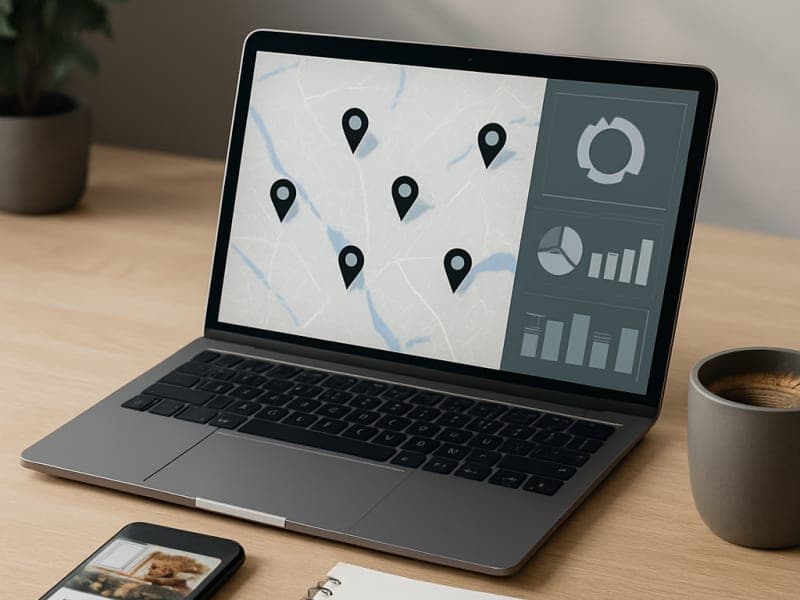
"The biggest mistake I see? Focusing on GEO marketing journey without understanding the fundamentals. Strategy always comes first."
— Julie Bennetts, GEO Marketing, AI Search Visibility, Content Strategy
What is GEO Marketing?
GEO Marketing is an innovative approach that leverages geographic data to tailor marketing strategies to specific locations. By understanding the geographical context of your audience, you can deliver highly targeted and relevant content, enhancing engagement and conversion rates. Imagine a local café using GEO Marketing to push promotions to nearby residents or a global brand customising campaigns for different regions. This strategy is not just about location-based advertising but also about understanding the cultural and economic factors that influence consumer behaviour in different areas. GEO Marketing utilises tools like location analytics, customer segmentation, and location-based data to refine marketing efforts. For instance, using insights from Geo-Score, businesses can assess their local visibility and optimise their strategies accordingly.
Importance of GEO Marketing in Today's World
In today's digital age, where personalisation is the key to capturing consumer attention, GEO Marketing has become indispensable. With the rise of mobile devices and AI-driven search engines, consumers expect brands to understand and cater to their specific needs based on their location. As a result, businesses that fail to incorporate GEO Marketing risk falling behind. For example, a study showed that 80% of consumers prefer ads tailored to their city or postal code, highlighting the growing demand for location-specific content. Furthermore, GEO Marketing empowers brands to optimise their AI search visibility, ensuring that they appear in localised search results, thus driving foot traffic and online engagement. By adopting a data-informed, localised approach, businesses can not only enhance customer experience but also boost their market presence.
Understanding the Basics of GEO Marketing
Key Concepts and Terminology
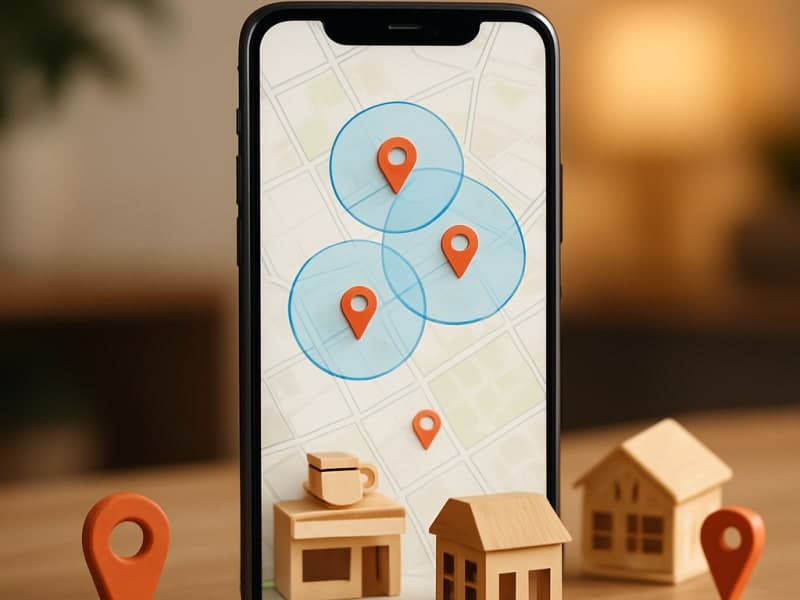
GEO marketing, at its core, is about leveraging geographical data to enhance marketing strategies. This approach allows businesses to tailor their messaging and offerings based on location-specific insights, such as local consumer behaviour and regional trends. Key terms include "geofencing", which involves setting a virtual boundary around a specific area to trigger targeted ads when a potential customer enters. Another term, "location-based services", refers to applications that utilise geographical data to provide personalised content. For instance, a local restaurant might send a lunch discount notification to users within a kilometre radius. An essential resource for understanding your brand's local impact is geo-score.online, which offers tools to assess and improve your GEO marketing strategies.
How GEO Marketing Works
GEO marketing combines data analytics with location intelligence to deliver precise marketing messages. It works by collecting data from various sources such as GPS, IP addresses, and mobile device signals to understand where your customers are and what they might need. For example, a retail chain could use this data to identify high-traffic areas for new store locations. Additionally, GEO marketing can inform advertising strategies. By analysing regional purchasing trends, businesses can create more relevant ad campaigns. For instance, a clothing brand might promote raincoats more heavily in regions with frequent rainfall. This targeted approach not only improves customer engagement but also maximises marketing ROI by ensuring that promotional efforts reach the most receptive audience.
Setting Up Your GEO Marketing Strategy

Crafting a successful GEO marketing strategy involves understanding your audience and selecting the appropriate tools to reach them effectively. Here’s how to get started:
Identifying Your Target Audience
The first step in GEO marketing is pinpointing who you’re talking to. This isn’t just about demographics; it’s about understanding behaviours, preferences, and location-specific needs. Let’s say you’re a local café in Manchester aiming to attract more customers. You might find that your audience is primarily young professionals who value sustainability. Understanding this, you can tailor your marketing to highlight your eco-friendly practices and convenient location for a quick lunch break.
Use data to validate your assumptions. Tools like Google Analytics can provide insights into where your website visitors are coming from and what they're interested in. According to a study by Geo-Score, businesses that localise their content see a 20% increase in engagement. This data underscores the importance of knowing your audience deeply.
Choosing the Right GEO Marketing Tools
Once you’ve identified your audience, the next step is selecting tools that can help you reach them effectively. Tools like Google My Business can enhance your local search visibility, ensuring you appear in searches related to your area. Additionally, platforms like Geo-Score offer detailed analytics that help you track your local performance and identify areas for improvement.
Consider using location-based advertising. For instance, Facebook Ads allows you to target users within a specific radius of your business. This is particularly effective for promotions or events. According to HubSpot, location-based marketing can increase conversion rates by up to 30%, making it a powerful tool in your marketing arsenal.
In summary, a successful GEO marketing strategy is rooted in understanding who your audience is and choosing the right tools to engage with them. By doing so, you’ll be well on your way to enhancing your local presence and driving meaningful results.
Implementing GEO Marketing Tactics
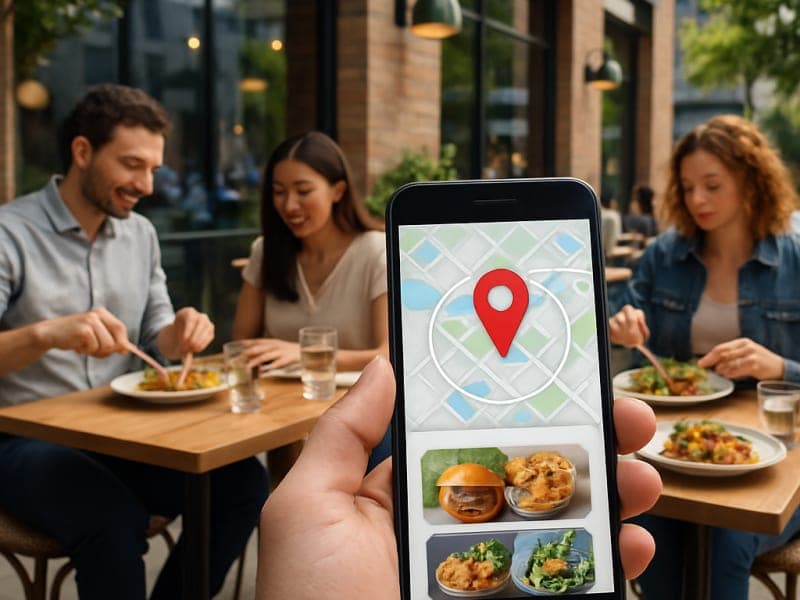
In today's digital landscape, understanding and utilising GEO marketing tactics can significantly enhance your brand's visibility and engagement. By focusing on location-based advertising and leveraging mobile and social media, businesses can create more personalised and effective marketing strategies.
Location-Based Advertising
Location-based advertising is a powerful tool in the GEO marketing arsenal. By targeting consumers based on their geographic location, businesses can deliver relevant and timely promotions. For instance, a restaurant can use geo-fencing to send promotional messages to potential customers within a specific radius. According to a study by Factual, location-based ads see a 20% higher conversion rate compared to traditional ads. This approach not only increases foot traffic but also enhances customer experience by offering them what they need, right where they are.
Moreover, platforms like Google Ads offer location targeting features, allowing brands to tailor their messages to local audiences effectively. By analysing data from sources like GEO Score, businesses can gain insights into consumer behaviours and preferences in various locations, enabling more strategic decision-making.
Leveraging Mobile and Social Media
With mobile devices being an integral part of daily life, leveraging mobile and social media platforms is crucial for effective GEO marketing. Mobile users spend an average of 4.8 hours a day on their devices, as per App Annie's State of Mobile 2022 report. Businesses can tap into this by using location-based services to engage with users on platforms like Instagram and Facebook.
For instance, by using location tags and geo-targeted ads, brands can reach a broader audience. A successful case is Starbucks, which uses location-based social media campaigns to attract customers to their nearest stores. By analysing data from location-based interactions, businesses can refine their strategies to improve user engagement and conversion rates.
By combining these GEO marketing tactics, businesses can create a more connected and personalised experience for their customers, ultimately driving growth and brand loyalty.
Data and Analytics in GEO Marketing
Tracking and Measuring Success
In the dynamic world of GEO marketing, understanding the impact of your strategies is crucial. Tracking and measuring success is not just about numbers; it's about translating data into actionable insights. One effective way to achieve this is by utilising tools like Geo-Score, which provides a comprehensive view of your brand's geographic performance. By analysing user engagement and location data, you can identify which regions are most responsive to your campaigns. For instance, a recent case study revealed that a retail chain increased foot traffic by 20% in targeted areas after refining their strategy based on GEO analytics. This approach allows you to allocate resources efficiently and maximise returns in high-potential regions.
Using Data to Refine Your Strategy
Refining your GEO marketing strategy should be a continuous process, guided by data. The key is to remain adaptable and responsive to changes in consumer behaviour and market trends. Consider the example of a travel company that used location-based insights to tailor their offers. By identifying that a significant portion of their audience was searching for last-minute deals in coastal regions, they adjusted their messaging and promotions accordingly. This data-driven approach led to a 15% increase in bookings during the summer months. Leveraging data not only helps in refining current strategies but also in forecasting future trends, ensuring your brand remains competitive. Remember, data is not just a tool for measurement but a catalyst for growth and innovation in GEO marketing.
Real-World Examples and Case Studies
Successful GEO Marketing Campaigns
In the fast-evolving world of GEO marketing, real-world successes can provide invaluable insights. One notable example is the campaign by the eco-friendly fashion brand, GreenThreads. By leveraging GEO marketing, they managed to increase their local store footfall by 35% over six months. GreenThreads used hyper-localised ads targeting eco-conscious consumers within a 10-mile radius of their stores. By integrating location-based data with AI-driven insights, they customised their messaging to resonate with the local ethos, resulting in a significant boost in brand engagement and sales.
Another impressive case is that of a regional coffee chain, BeanBoost. They utilised GEO marketing to tap into the competitive café scene by focusing on areas with high foot traffic such as business districts and university campuses. By offering time-sensitive promotions through location-based notifications, BeanBoost saw a 25% increase in morning sales within just three months. These campaigns underscore the potential of GEO marketing to drive targeted, measurable results when strategies are finely tuned to local dynamics.
Lessons Learned from Industry Leaders
From these successful campaigns, several lessons emerge for those looking to optimise their GEO marketing efforts. First, understanding your audience's location-specific needs and preferences can significantly enhance engagement. This is where tools like GEO Score (https://geo-score.online/) become invaluable, providing analytics that inform more strategic decision-making.
Moreover, collaboration is key. The most successful brands often work closely with local influencers and businesses to amplify their reach and credibility. This not only boosts local brand visibility but also fosters community trust and loyalty.
Finally, continuous optimisation is crucial. Industry leaders like GreenThreads and BeanBoost consistently analysed and refined their strategies based on real-time data, allowing them to stay ahead of consumer trends and competitor tactics. By adopting a data-informed approach, businesses can ensure their GEO marketing remains agile and effective, driving sustained growth in an AI-driven world.
Challenges and Considerations
Privacy and Ethical Considerations
In the realm of GEO marketing, navigating privacy and ethical considerations is crucial. With the increasing reliance on AI and data-driven strategies, it’s essential to respect user privacy and comply with regulations like the GDPR. According to a 2022 report by the Information Commissioner’s Office, non-compliance can lead to fines as high as €20 million or 4% of a company’s annual turnover. It's not just about avoiding penalties; maintaining consumer trust is paramount. Utilising anonymised data and obtaining clear consent are practical steps marketers can take. For instance, a case study from geo-score.online demonstrated how a retail brand improved customer trust by transparently communicating data usage policies, resulting in a 15% increase in customer loyalty.
Overcoming Common Obstacles
GEO marketing, while powerful, presents several challenges. One common obstacle is the integration of AI tools with existing marketing systems. Many businesses find themselves bogged down by outdated infrastructure. A practical approach is phased implementation. Start with a pilot project to showcase the potential benefits. For example, a local restaurant chain, struggling with low visibility, incrementally adopted AI-driven GEO strategies. By first enhancing their local search visibility, they achieved a 30% increase in footfall within three months. Another challenge is adapting content for AI platforms, which often requires a shift from traditional SEO tactics to AI-first content strategies. By focusing on quality, relevance, and localised content, brands can significantly enhance their visibility in AI engines. Embrace these challenges as opportunities for growth and innovation, and remember, collaboration across departments can pave the way for seamless integration and success.
Future Trends in GEO Marketing
Emerging Technologies
As a GEO Marketing Strategist, it's vital to stay ahead. One emerging technology is AI-driven location intelligence, which is revolutionising how businesses target local audiences. According to geo-score.online, leveraging AI to analyse geographic data can enhance personalisation by up to 40%. This technology allows marketers to deliver highly relevant content based on a customer's precise location, ensuring a more engaging user experience. Another innovation is augmented reality (AR), which offers immersive local experiences. For instance, retailers can use AR to guide customers to their nearest store or showcase how products will look in their home environment, greatly enhancing customer engagement.
Predictions for the Next Decade
Looking forward, GEO marketing will likely see a significant shift towards hyper-local strategies. As AI and machine learning capabilities continue to evolve, our ability to predict consumer behaviour based on location-specific data will improve. By 2030, I foresee a 50% increase in businesses utilising predictive analytics in GEO marketing, enabling more precise targeting and improved ROI. Additionally, the integration of AI with GEO marketing platforms will become mainstream, allowing for real-time adjustments to campaigns based on data insights. It's crucial for marketers to adapt to these advancements, ensuring they harness these tools to remain competitive and relevant in the ever-evolving digital landscape.
Frequently Asked Questions
What is GEO marketing and why is it important for my business?
GEO marketing involves using geographic data to create more targeted and effective marketing strategies. It's crucial because it allows you to tailor your content and advertising to specific locations, improving relevance and engagement. For instance, if you're a retailer, knowing where your customers are can help you personalise offers and boost store visits, ultimately enhancing customer satisfaction and increasing sales.
How can I optimise my content for AI search engines like ChatGPT?
To optimise your content for AI search engines, focus on clarity, relevance, and structure. Use natural language and ensure your content answers specific questions your audience might ask. It's also beneficial to incorporate relevant keywords naturally. Tools like https://geo-score.online/ can help evaluate and improve your content's visibility in AI search engines by providing actionable insights tailored to GEO marketing.
What are the first steps to kickstart a GEO marketing strategy?
Start by defining your target regions and understanding your audience's preferences in those areas. Gather geographic data and analyse it to identify trends. Develop a strategy that includes location-based content and advertising. Test different approaches and measure their effectiveness, adjusting your strategy accordingly for better results.
How do I measure the success of my GEO marketing efforts?
Success in GEO marketing can be measured through various metrics such as increased local engagement, higher conversion rates in targeted areas, and improved ROI on location-based campaigns. Use tools to track these metrics over time, and compare them against your goals. Regularly reviewing these metrics helps refine your strategy and ensure continued growth.
Can you share a real-world example of effective GEO marketing?
Certainly! A popular coffee chain used GEO marketing to send location-based offers to customers near their stores. By analysing purchase data and customer movement patterns, they tailored promotions for different locations. This strategy led to a 20% increase in foot traffic and a significant boost in sales during peak hours, demonstrating the power of targeted GEO marketing.
Was this article helpful?
Want More Expert Content?
Discover how GEO-Score Online can help you achieve your content marketing goals.
Related Articles

Unraveling UCP: A Comprehensive How-to Guide for Implementing Universal Commerce Protocol
In the ever-evolving landscape of e-commerce, one constant remains: the quest for seamless transactions and unparalleled customer experiences.

Mastering the Matrix: How to Navigate GEO Score Calculations with Precision
Alright, folks, let's cut through the noise. Did you know that a staggering 75% of businesses are still spinning their wheels with outdated SEO strategies?...

Navigating Market Readiness: A Step-by-Step Guide to E-commerce Platform Selection
In the ever-evolving landscape of digital commerce, selecting the right e-commerce platform can make or break your business. With a staggering 2.